Ways Dance Can Enhance Emotional Health in Retirement
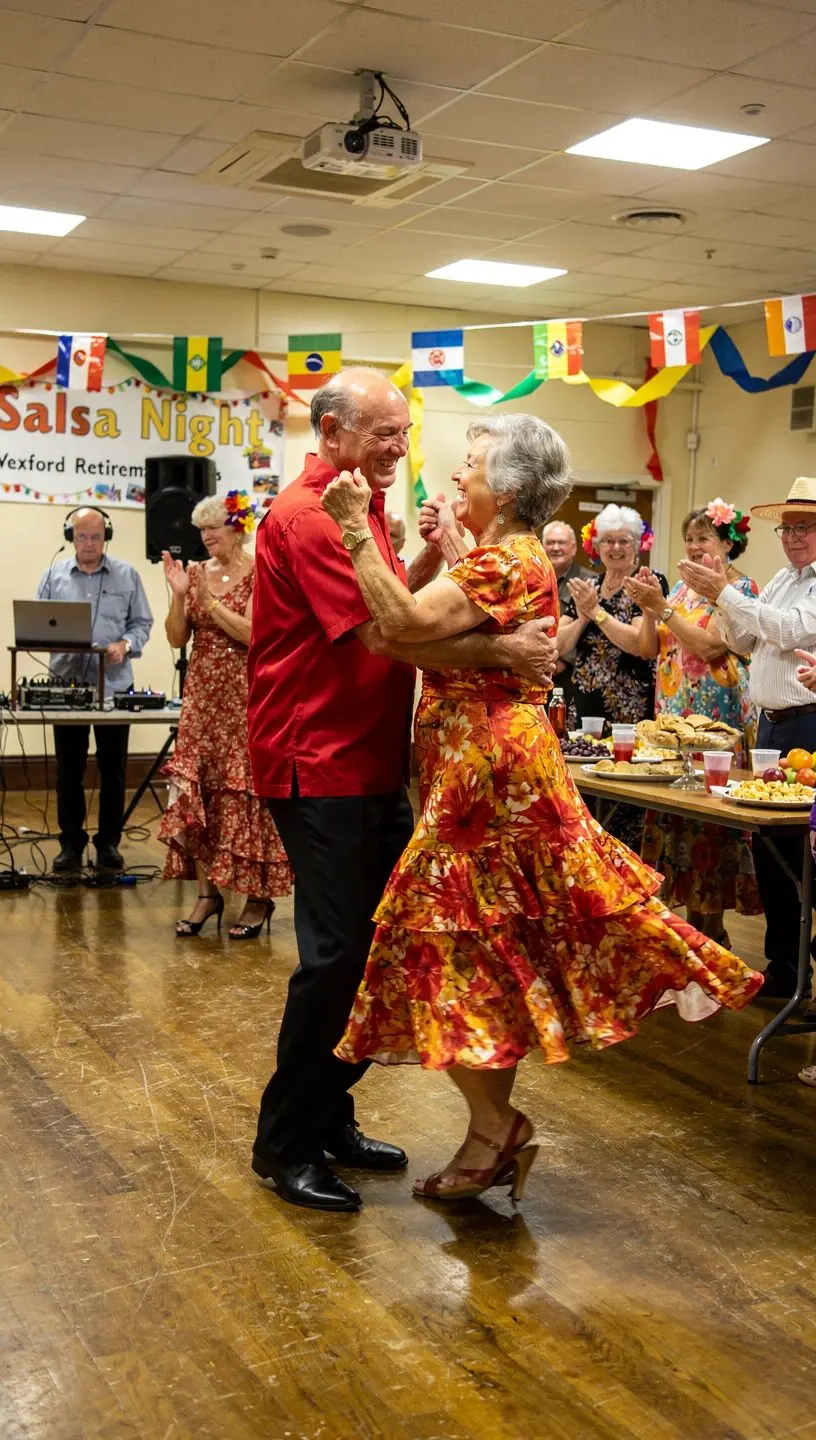
As retirees seek fulfilling activities, many are discovering the profound impact that dance can have on emotional health. Engaging in dance, particularly social styles like bachata and salsa, can provide numerous benefits for emotional well-being.
Understanding the Impact of Dance on Emotional Health
Research indicates that physical activity, including dance, is linked to enhanced emotional health among older adults. According to a study published in the Journal of Aging and Physical Activity, regular participation in dance can lead to reduced symptoms of depression and anxiety.
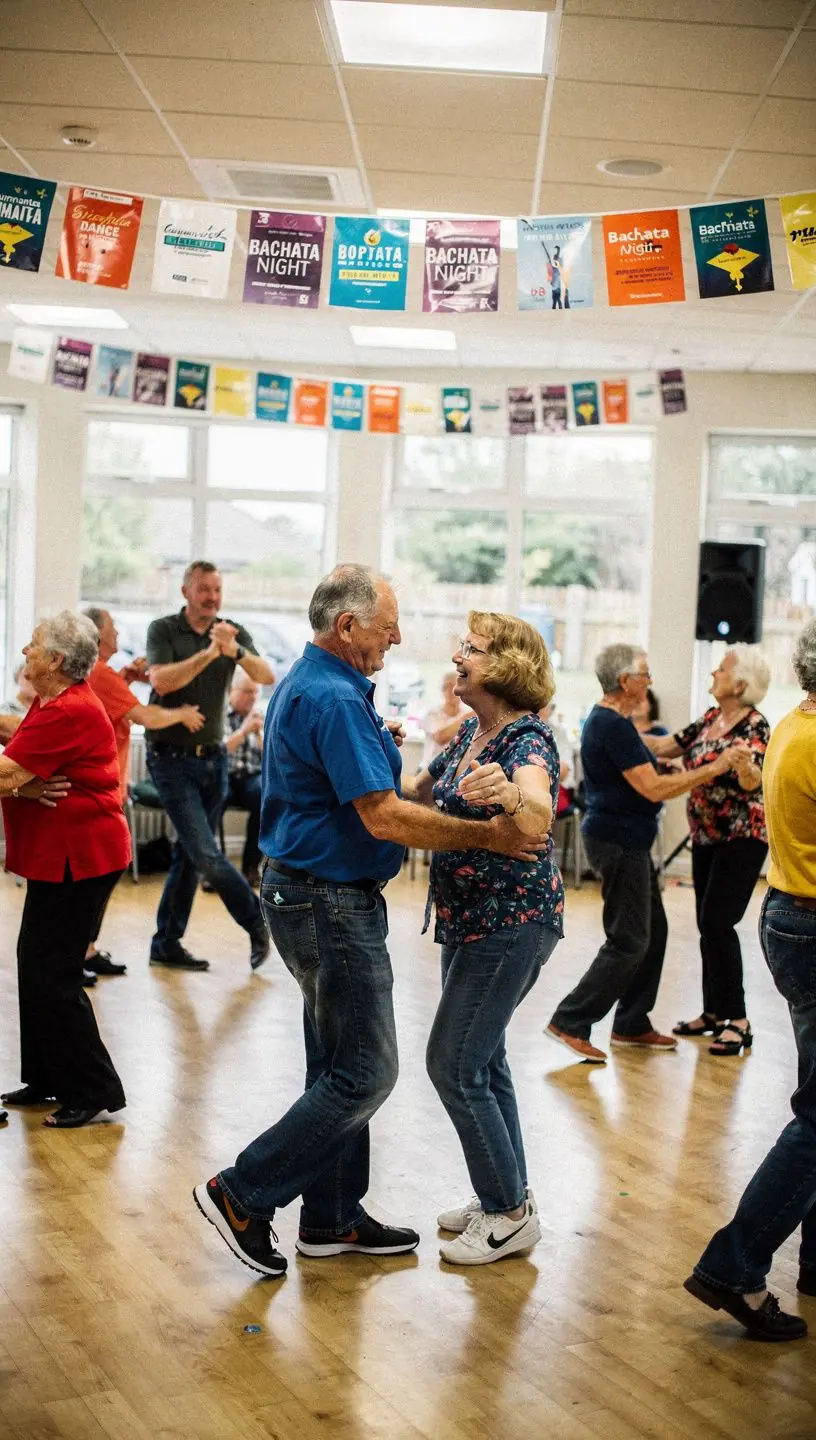
This works because dance involves both physical movement and social interaction, which are critical for emotional well-being. Experts suggest that the combination of rhythm, movement, and social engagement can stimulate the release of endorphins, often referred to as "feel-good" hormones.
"Engaging in dance not only improves physical fitness but also significantly boosts mood and emotional health." - Dr. Sarah Thompson, Psychologist
The Social Benefits of Dance
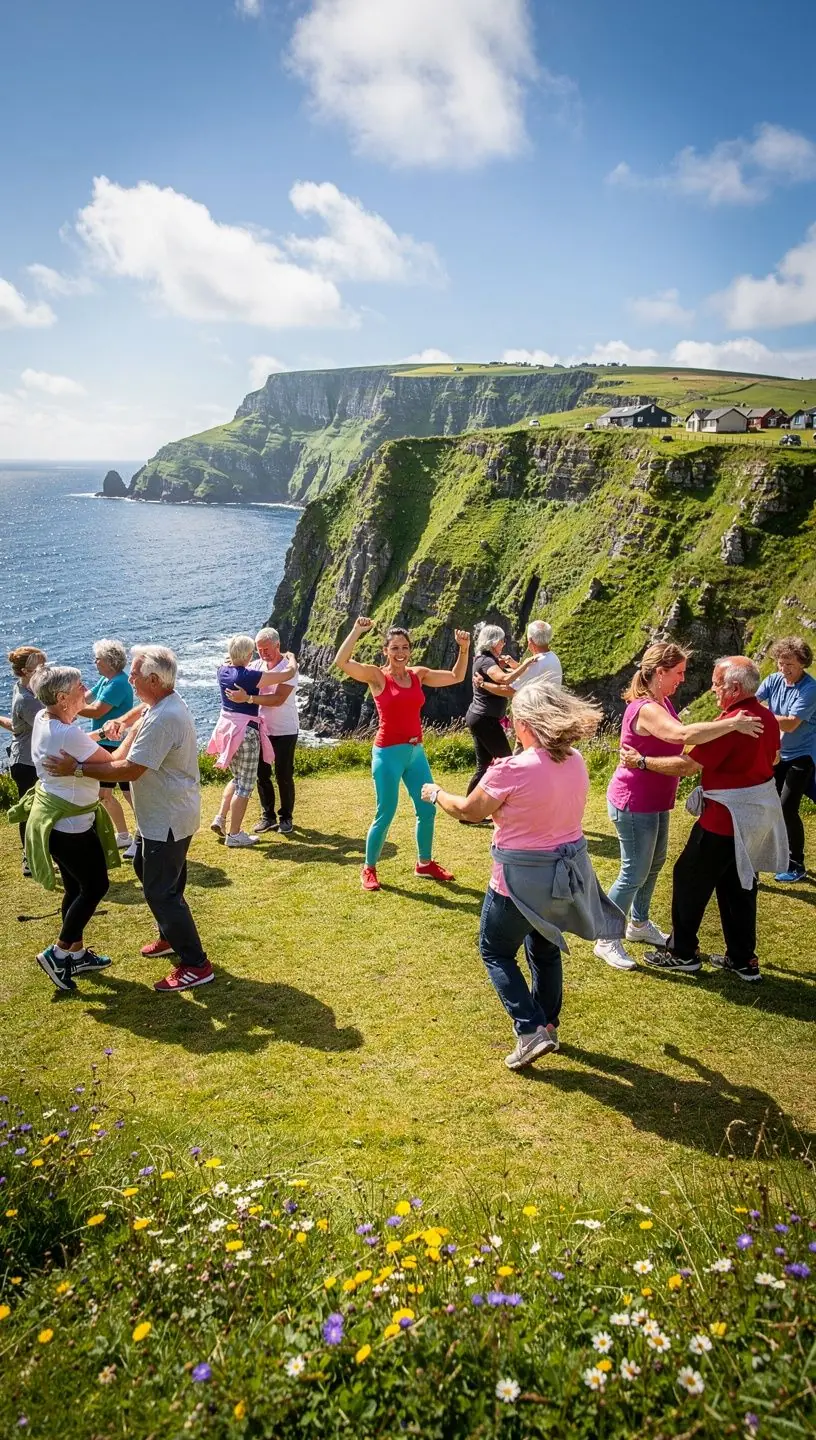
Participating in dance classes or social dance events fosters community and belonging, which can be particularly valuable in retirement. Many retirees report that joining dance clubs helps them form new friendships and reduce feelings of isolation.
Industry experts recommend engaging in dance groups that focus on social styles like bachata and salsa because these environments often promote interaction and camaraderie. Here are some of the social benefits:
- Connection with Others: Dancing with partners or in groups builds relationships.
- Boosted Confidence: Regular participation in dance can enhance self-esteem.
- Shared Experiences: Group dancing often leads to creating lasting memories and shared enjoyment.
Emotional Expression Through Movement
Dance is a powerful medium for emotional expression. As retirees often face significant life changes, such as transitioning from work life to retirement, dancing can provide an outlet for processing feelings and experiences.
Studies show that engaging in creative activities like dance can help individuals express their emotions in a healthy way. This therapeutic aspect of dance is often utilized in programs designed for emotional and mental health support. The methodology behind this is straightforward: movement becomes a language through which individuals can convey thoughts and feelings that may be difficult to articulate verbally.
Acknowledging the Challenges
While dance offers numerous benefits, it is essential to approach it with realistic expectations. Many users report that dance classes require a commitment of time and practice. For those new to dance, it may involve a learning curve, particularly in mastering techniques or choreography.
It’s also worth noting that not every style of dance may be suitable for every individual. Those with specific mobility issues, for example, should select classes that accommodate their physical abilities. In most cases, finding the right class or style can enhance the experience significantly.
Conclusion
In summary, incorporating dance into a retirement lifestyle can be an effective way to enhance emotional health. With its physical, social, and expressive benefits, dance often serves as a valuable tool for retirees looking to improve their emotional well-being. It's important to remember that while dance can provide significant advantages, it also requires dedication and an openness to learning. As many retirees have discovered, the journey of dance is as rewarding as the destination, enriching lives in ways they might not have expected.
Learn More