Understanding the Evolution of Dance Styles in Social Settings
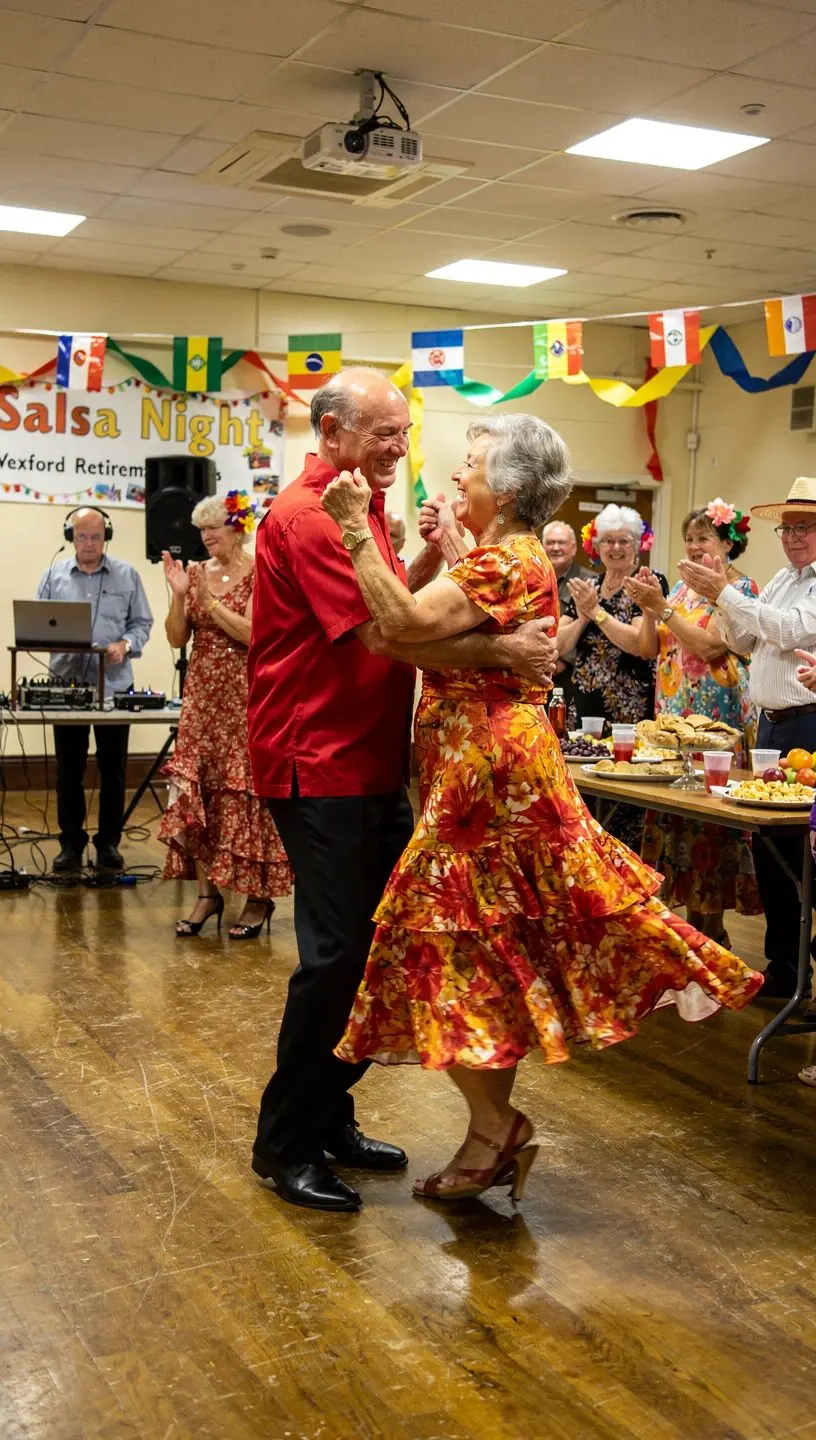
Dance has long been a vital part of social gatherings and community bonding. In this article, we explore the evolution of dance styles, particularly focusing on bachata and salsa, and how they play a significant role in fostering connections within retirement lifestyle clubs.
The Historical Context of Social Dance
Throughout history, dance has served as a means of expression and communication in various cultures. According to research by the American Council on Exercise, dance has been linked to improved physical and mental health, making it a popular choice for social engagement in retirement communities.
Understanding Bachata and Salsa
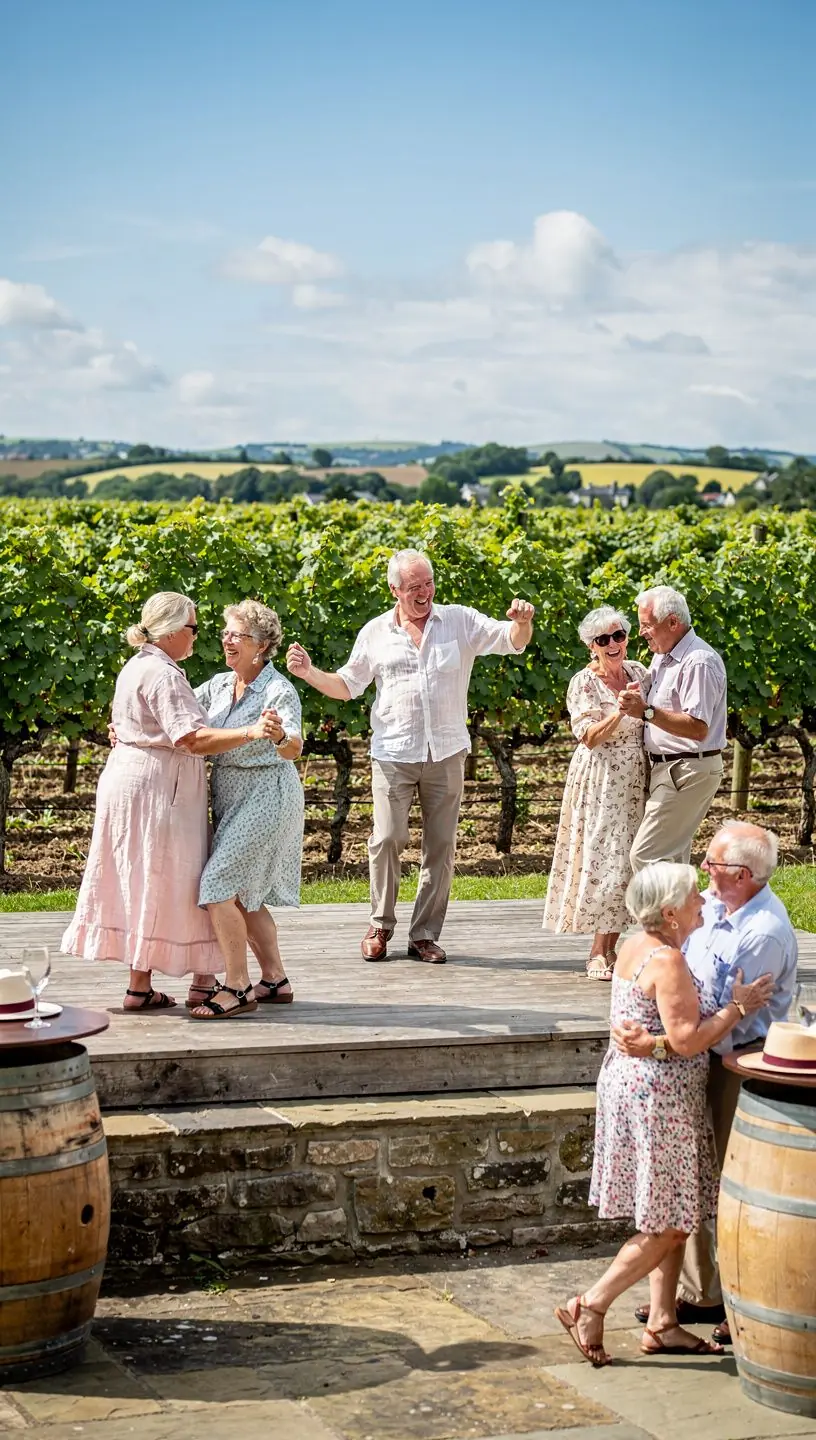
Bachata originated in the Dominican Republic and has evolved over the decades from a genre played in rural areas to a popular dance style in social settings worldwide. Salsa, on the other hand, traces its roots to Cuban music and has seen various adaptations across Latin America and the United States. Experts in dance therapy suggest that these dance forms promote not only physical fitness but also emotional well-being, particularly in older adults.
"Dance is not just about movement; it's a powerful tool for social connection and emotional expression," says Dr. Maria Lopez, a leading dance therapist.
The Impact of Social Dance on Aging
Participating in social dance events can have numerous benefits for older adults. Many studies indicate that engaging in dance can:
- Enhance cognitive function: Studies show that learning new dance steps can stimulate brain activity and improve memory.
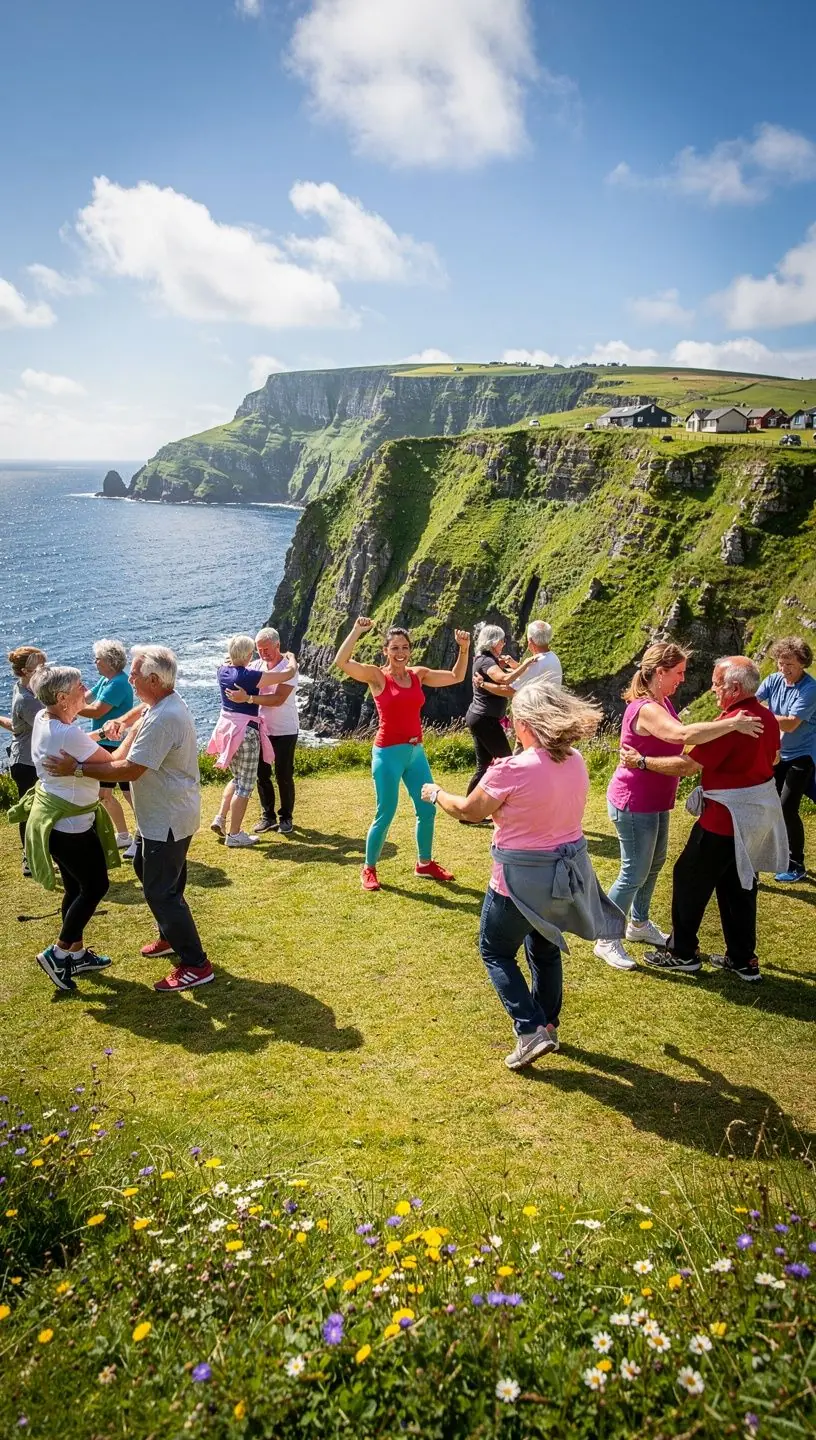
- Improve physical health: Regular participation in dance classes typically leads to increased flexibility, strength, and balance.
- Foster social connections: Many users report that dancing helps them build friendships and reduces feelings of isolation.
How Dance Styles Are Integrated into Retirement Lifestyle Clubs
Retirement lifestyle clubs often incorporate bachata and salsa dancing into their program schedules. This is done by:
- Offering classes: Clubs frequently host beginner and advanced classes to cater to various skill levels, typically requiring a commitment of 1-2 hours a week.
- Organizing social events: Many clubs create social calendars filled with dance nights and themed events that encourage participation.
- Providing coaching services: Professional dancers or instructors often guide club members through the intricacies of each dance style, fostering a supportive learning environment.
Setting Realistic Expectations
While the benefits of dance are numerous, it's essential to recognize that progress may take time. Typically, participants notice improvements in their confidence and skill set within a few months of consistent practice. However, results can vary based on individual effort and prior experience. It's important to engage in these activities with an open mind and a willingness to learn.
Conclusion
Understanding the evolution of dance styles such as bachata and salsa provides valuable context for their relevance in modern social settings, especially within retirement lifestyle clubs. By engaging in these dances, older adults can enjoy numerous physical, emotional, and social benefits. As research indicates, infusing social activities like dance into one’s lifestyle not only enhances personal health but also enriches community bonds, making it a worthwhile pursuit.
Learn More