Understanding the Culture of Bachata and Salsa
Bachata and salsa are more than just dance forms; they are vibrant cultures that embody the spirit of community, celebration, and connection. In this article, we will explore the origins, characteristics, and social significance of these genres, providing insights into how they can enrich your retirement lifestyle.
The Origins of Bachata and Salsa
Bachata originated in the Dominican Republic in the early 20th century, often associated with rural life and the struggles of the working class. According to music historians, it draws influences from African rhythms and Spanish guitar music, creating a unique sound that resonates deeply with its dancers.
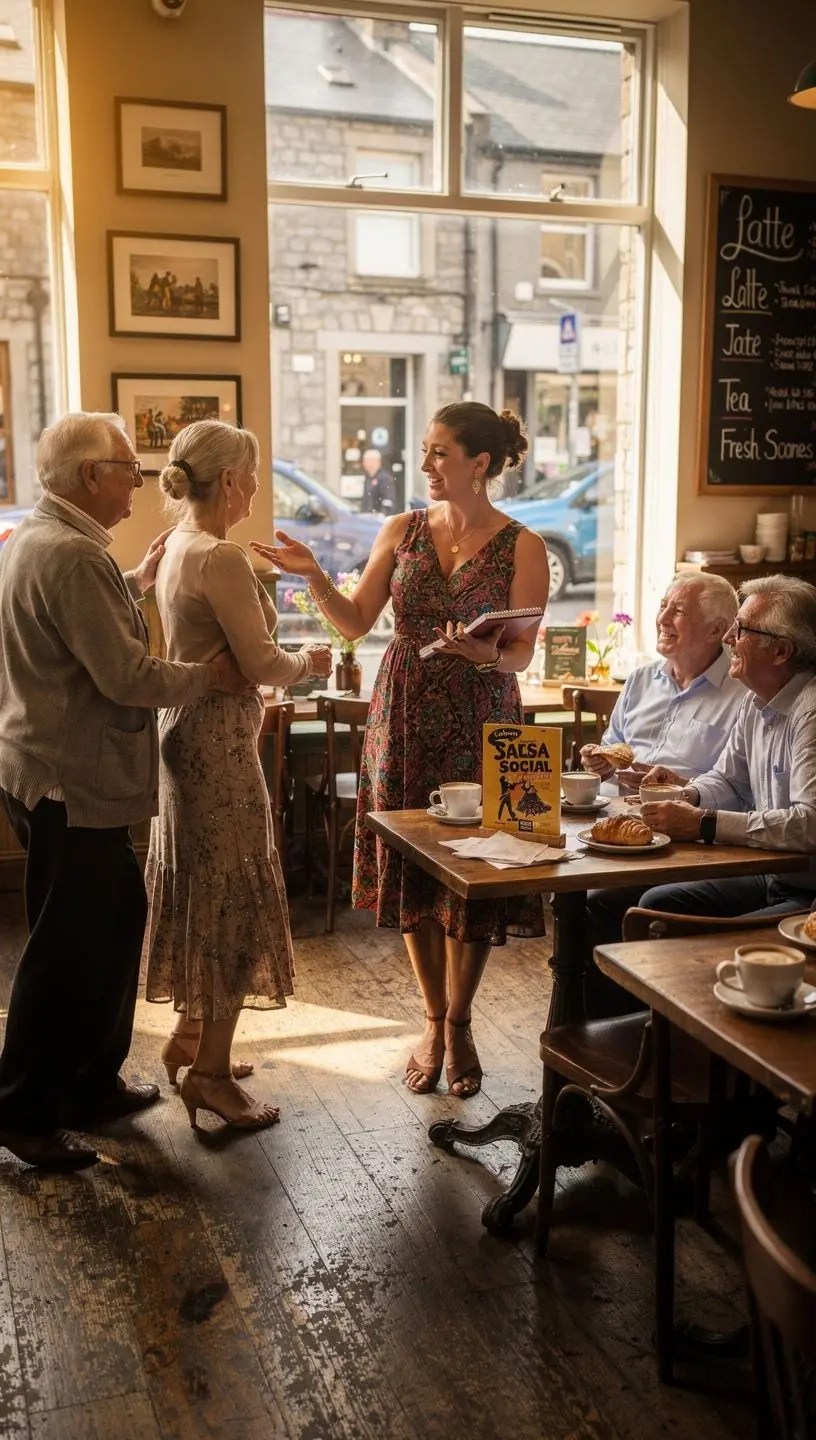
Conversely, salsa emerged in the mid-20th century, primarily in New York City, integrating a mix of Cuban, Puerto Rican, and other Latin American musical styles. Experts suggest that its evolution reflects the multicultural fabric of urban America, making salsa a dynamic and ever-evolving genre.
Key Characteristics of Bachata and Salsa
Both bachata and salsa share common elements, yet they are distinct in their styles and expressions. Here are some key characteristics:
- Bachata: Typically features slower rhythms, focusing on romantic themes. The dance is characterized by a close embrace and smooth movements, allowing for an intimate connection between partners.
- Salsa: Often includes faster tempos and energetic beats, encouraging lively footwork and spins. Dancers frequently incorporate intricate patterns and improvisation, making each performance unique.
The Social Significance
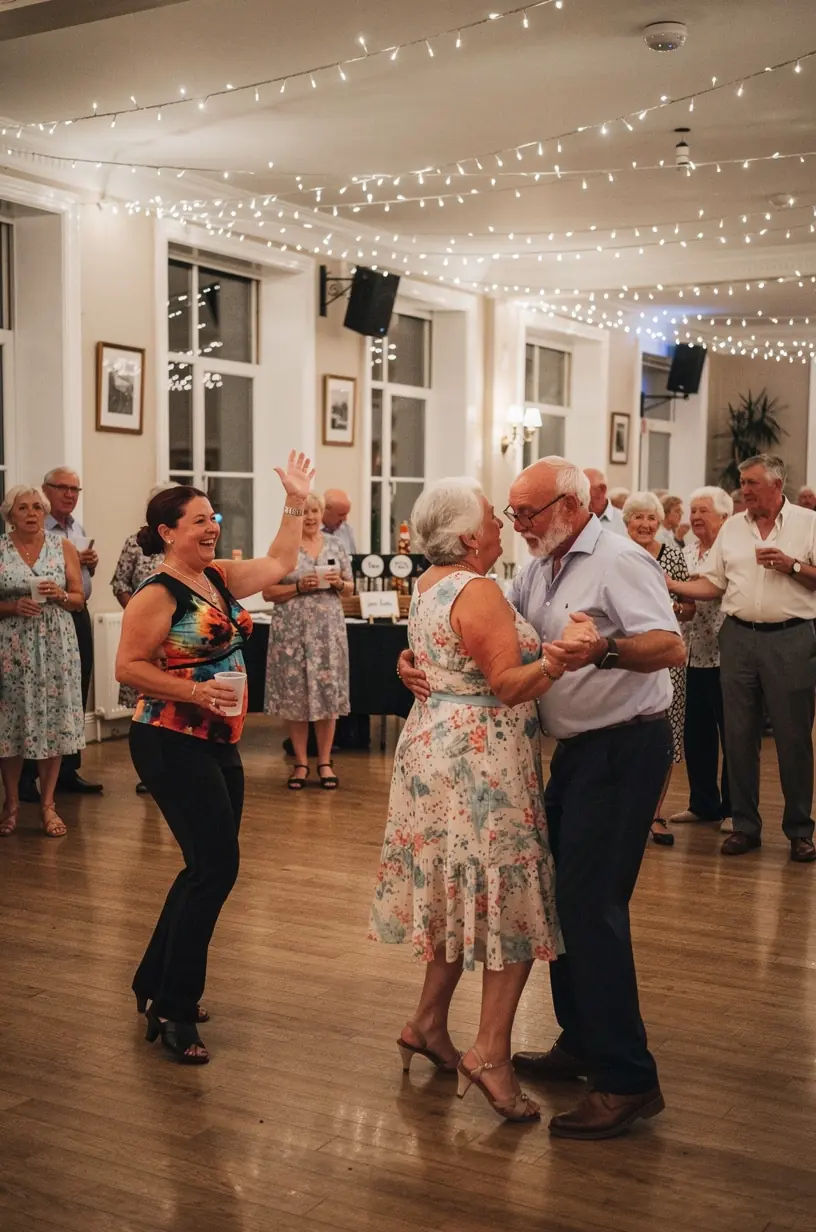
Research indicates that participation in dance can enhance social connections and foster a sense of community. Many users report that engaging in bachata and salsa not only improves their physical health but also boosts emotional well-being by providing a platform for social interaction.
"Dance brings people together, bridging cultural gaps and creating lasting friendships." - Dance Community Expert
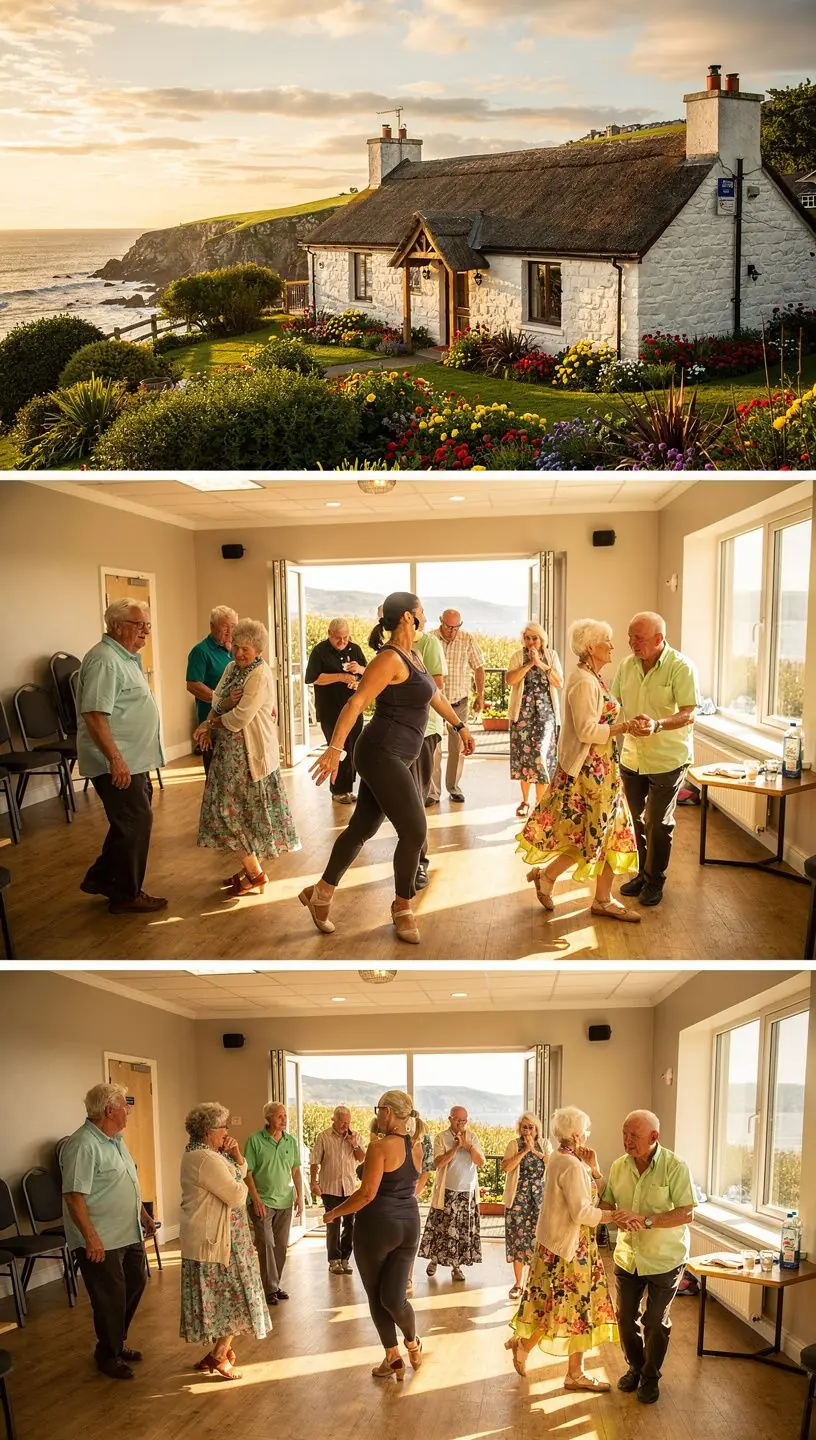
In most cases, local dance clubs and retirement lifestyle clubs offer regular social events where individuals can practice these dances, learn new techniques, and enjoy live music. These gatherings are typically structured to encourage participation at all skill levels, making them accessible and enjoyable.
Getting Started with Dance
If you're considering incorporating bachata or salsa into your routine, here are some practical steps to get started:
- Find a local dance class or club that focuses on bachata or salsa. Industry experts recommend starting with beginner sessions to build confidence and foundational skills.
- Commit to regular practice. While many people find progress quick, developing proficiency typically takes several weeks of consistent effort.
- Engage with fellow dancers. Joining a community can enhance your learning experience, providing opportunities for feedback and support.
Conclusion
Understanding the culture of bachata and salsa enriches not only your dance experience but also your social interactions and overall lifestyle. While embracing these dance forms requires time and dedication, the rewards often include enhanced well-being, new friendships, and a deeper appreciation for the rich cultural traditions they represent. Whether you are a seasoned dancer or a curious beginner, stepping onto the dance floor can lead to a fulfilling journey of discovery and joy in your retirement years.
Learn More