Navigating Social Life in Retirement: A Dance Perspective
Retirement offers a unique opportunity to redefine social connections and engage in new activities. Dance, particularly bachata and salsa, can play a crucial role in enhancing social life during this phase. This article explores how joining dance clubs can enhance your social interactions and overall well-being during retirement.
Understanding the Social Benefits of Dance
Engaging in dance activities typically fosters socialization, which is vital for emotional health in retirement. According to research from the University of Brighton, participating in group activities can significantly reduce feelings of loneliness and isolation, which many retirees experience. Dance classes create a community atmosphere, allowing individuals to meet new friends and build meaningful relationships.
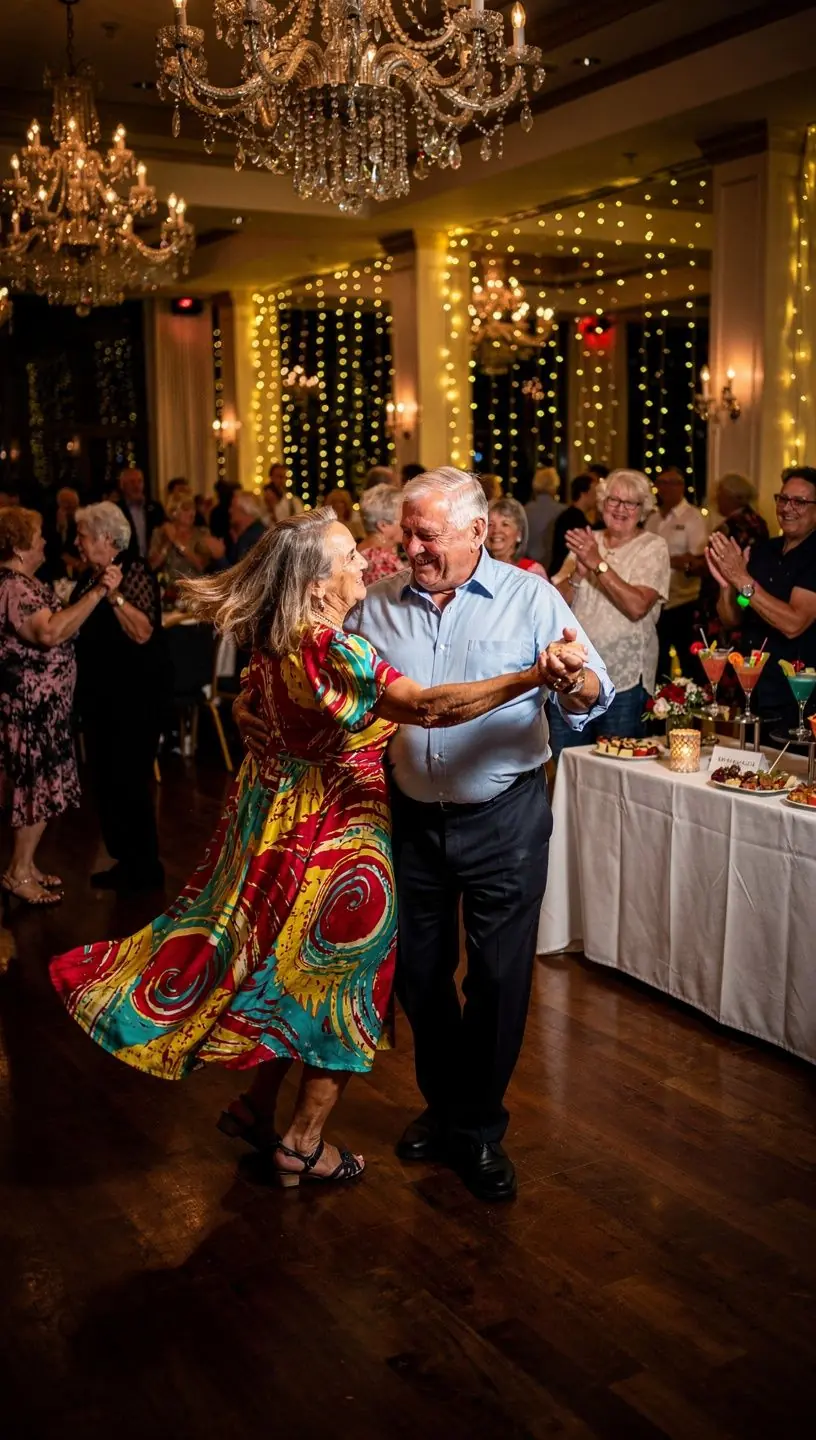
"Social interactions through dance can improve mental health and increase life satisfaction among older adults." - Dr. Sarah Thompson, Social Health Researcher
The Psychological and Physical Impact of Dance
Studies show that dance not only enhances social connections but also promotes physical well-being. Regular participation in dance classes can improve balance, coordination, and cardiovascular health. Additionally, experts recommend that the rhythmic movement associated with dance can boost cognitive function, which typically declines with age. This works because dancing requires memorizing steps and patterns, engaging multiple areas of the brain.
Key Benefits of Dance in Retirement:
- Enhanced Social Skills: Dance classes provide an informal setting to practice communication and social skills.
- Improved Physical Health: Regular dancing can lead to better cardiovascular fitness and muscle strength.
- Cognitive Engagement: Learning new dance routines challenges the brain, potentially reducing cognitive decline.
Finding the Right Dance Club
Choosing a dance club that aligns with your interests and goals is essential. Many clubs offer a variety of classes tailored for different skill levels, and it is common for these clubs to host social events where members can practice dancing in a relaxed environment. Here are a few tips on finding the right club:
- Research Local Clubs: Look for clubs that specialize in bachata and salsa, as these styles promote partner interaction and teamwork.
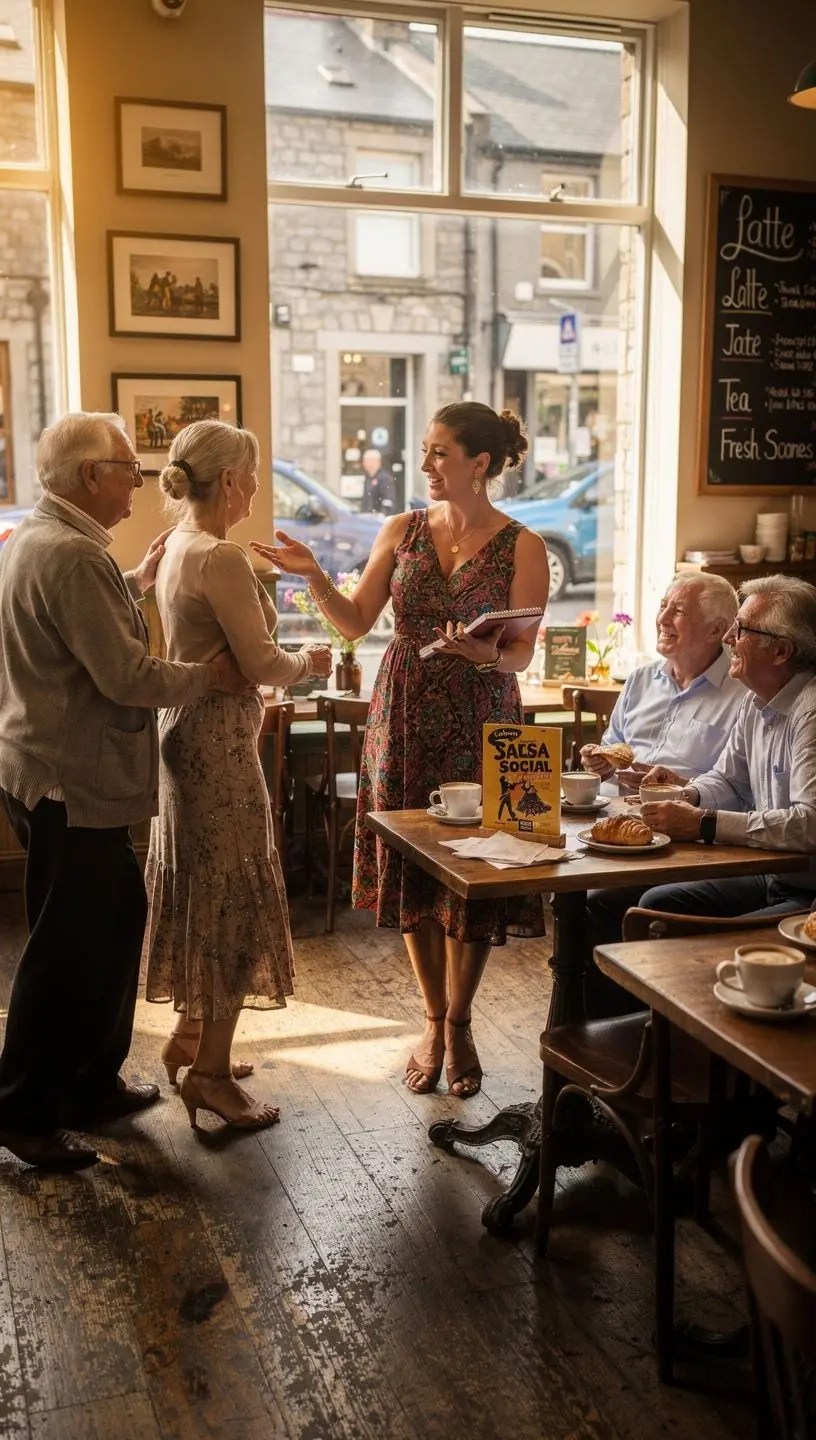
- Visit Classes: Many clubs allow potential members to attend a trial class. This is a great way to gauge the atmosphere and instructor compatibility.
- Consider Scheduling: Ensure the club’s class schedule fits your routine. Consistency is key to reaping the social and health benefits.
Setting Realistic Expectations
While the joy of dance can enrich your retirement, it is important to set realistic expectations. Most dance classes typically require a commitment of 1-2 days a week. Progress in mastering dance skills often takes time and dedication. In most cases, individuals report noticeable improvement within a few months of regular practice.
Conclusion
As retirement unfolds, embracing new activities like dance can profoundly impact social life and overall health. By engaging in bachata and salsa through dedicated clubs, you can enhance your social interactions, improve physical health, and maintain cognitive function. Remember, building a fulfilling social life through dance is not only about the steps you take on the floor but also about the connections you foster along the way.
Learn More